From MOSFET Samples to Bulk Orders: Keeping Lot Evidence Consistent
Build a practical approval trail linking samples, quotations, incoming inspection and repeat purchases.
Published 4 November 2026 · Mosvanta editorial · Updated 4 November 2026
Record which lot the sample represents, agree the approval checks, and carry the lot reference into the quotation and purchase order. Compare the delivery with that approved evidence before releasing stock. A sample from one lot does not automatically approve a later delivery from another source or condition group.
Decision checklist
| Check | Evidence to request | Reason to pause approval |
|---|---|---|
| Sample | Record whether it comes from offered stock | Unrelated sample accepted as bulk-lot evidence |
| Order | Write accepted condition and substitution rules | Approval detached from the purchase terms |
| Repeat delivery | Review source, lot and condition changes | Previous success treated as permanent approval |
Identify what the sample represents
A sample is useful only when the buyer knows what it represents. Ask whether it comes from the actual offered stock, record the supplier lot reference and retain photographs of markings and packing. If the bulk shipment may come from a different lot, make that uncertainty visible before approval.
Define approval before testing
Agree which checks are required, who reviews the results and what decision the sample can support. Record the exact MPN, accepted condition and acceptance criteria. Distinguish a fit check from electrical screening and circuit validation. Our incoming inspection guide explains how to record test scope.
Connect the quotation to the approved evidence
Include the lot reference, allowed condition differences, required packing, inspection documents and nonconformance terms in the order record. State whether mixed date codes or substitutions are acceptable. Keep the quotation checklist alongside the approval so that purchasing and engineering refer to the same requirements.
Check the delivery against the approval
Record received quantities and compare visible condition, markings and lot identification with the agreed evidence. Investigate discrepancies before mixing the delivery into usable stock. A previous passing sample does not demonstrate that every delivered unit passed the same checks; use the sampling and disposition process agreed for the order.
Treat repeat orders as identified deliveries
Repeat purchasing can simplify paperwork, but it should not erase changes in source, condition or lot identity. Ask what changed since the approved order and decide whether a new sample or review is needed. Review our pulled versus surplus guide when condition descriptions change. Keep records concise enough that a different buyer can understand the decision.
Explore the catalogue
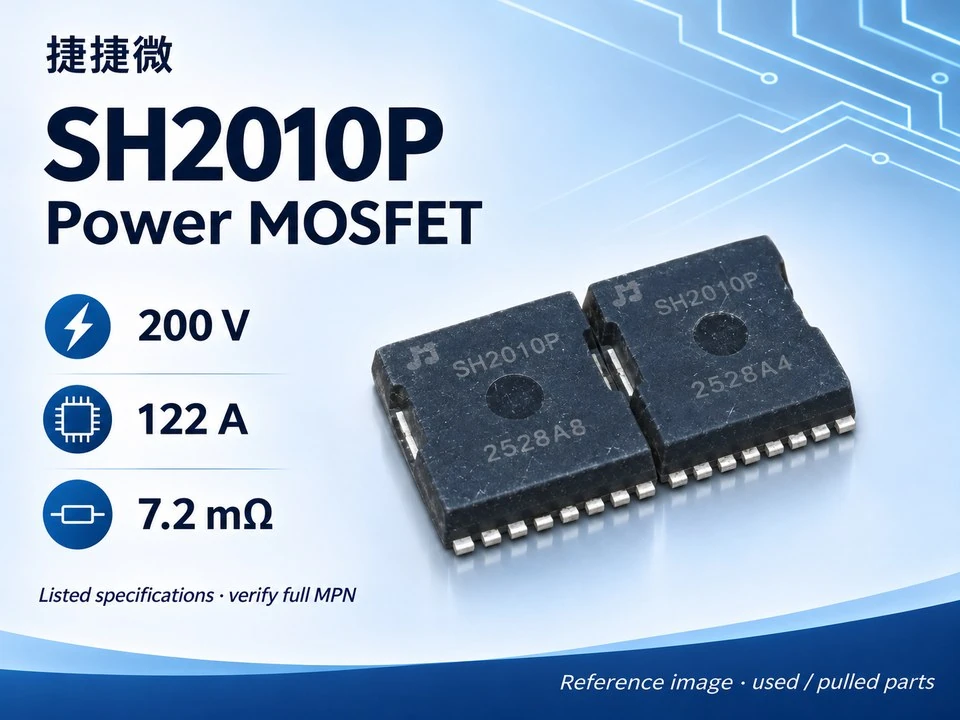
For a concrete catalogue reference, see SH2010P product information. The document image illustrates this catalogue entry; it does not establish suitability for the applications discussed. Confirm the complete identity and engineering requirements before ordering.
Source and next steps
Related workflow: incoming inspection. General selection guidance; confirm exact values in the manufacturer datasheet.
Browse our MOSFET directory and prepare your request with the RFQ checklist. Product workbook entries are sourcing references, not independent performance certification.
What should stop an order?
Pause approval when the full part identity, agreed condition or evidence needed for your decision is unresolved. Ask the supplier to clarify the specific gap. Keep the response with the order record so that a later buyer can see what was actually approved.